
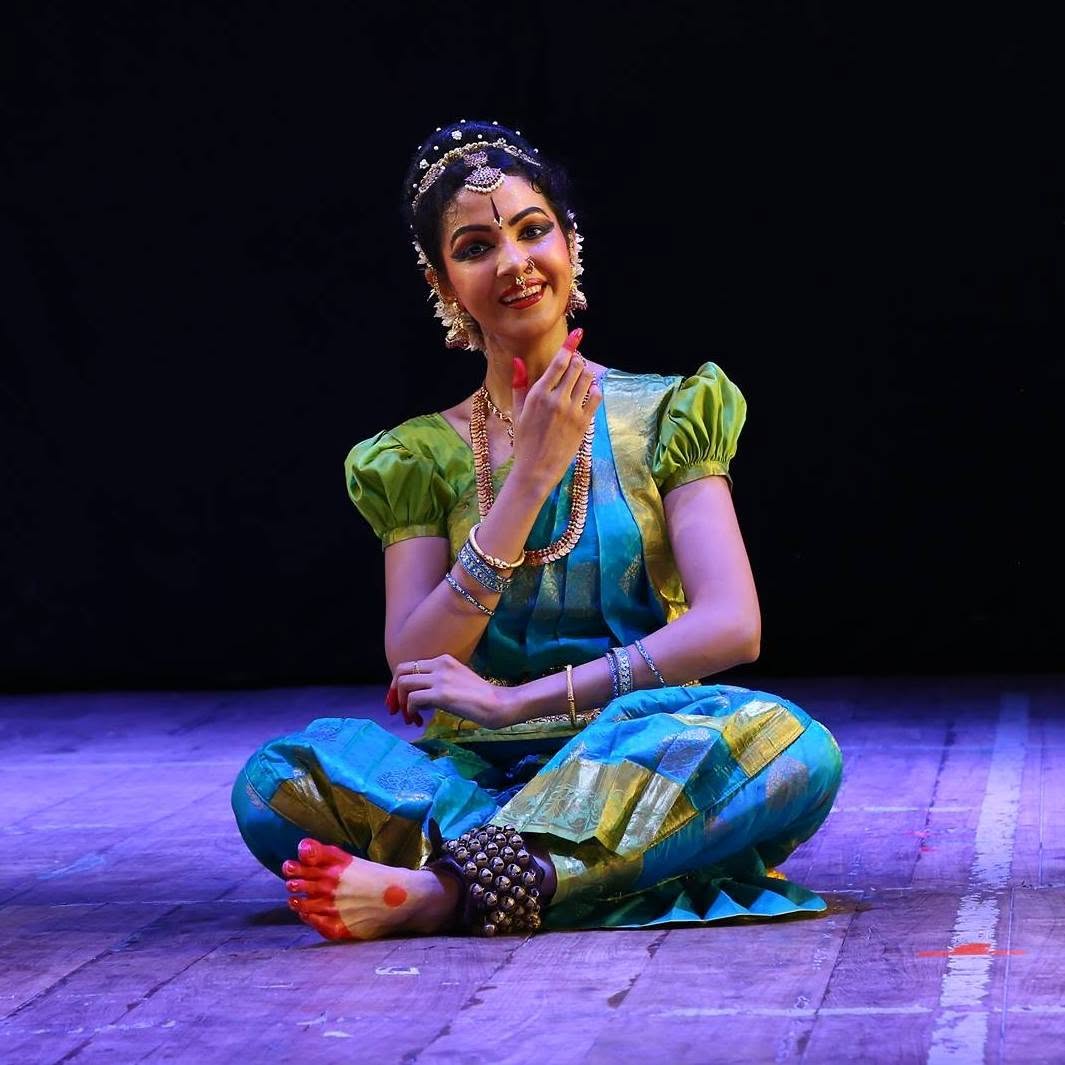
For any art, be it dance, music or literature, patronage is essential-arts flourish only when there is adequate support from all quarters. Patronage is more of a process and not isolated events that result in an output. From the medieval period, patronage meant patrons appreciated and encouraged arts. While progressing in their art, the artists had to keep the patron happy by ensuring his fame was also extended to posterity, as was the art form itself. It is also a political move with the more extensive social bonding in view. The king’s attributes, virtues, and sometimes contributions were brought forth through the compositions written during a particular period. In this context, Barbara Stoler Miller and Richard Eaton, scholars who worked on patronage in India, aptly point out that patronage emerges as a” multidimensional, sometimes loosely codified network of exchanges involving not only the production of art and literature but also its performance, transmission, interpretation and preservation”(Miller et al., 1992). From these attributes, this paper focuses directly on the performance aspect while touching upon the other facets of the quote.
Authors: Sindhuja Suryadevara
Publication date: 2024
Journal: Dr. TK Saroja
Volume: 6
Pages: 41